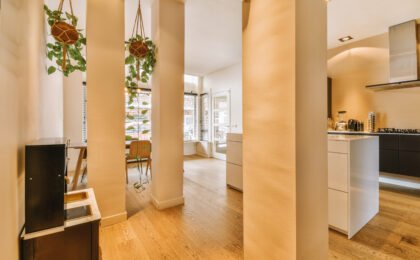
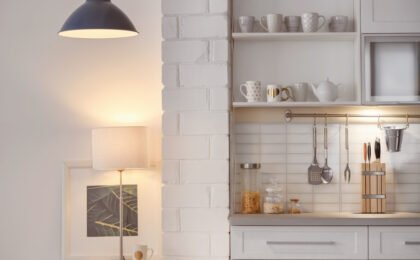
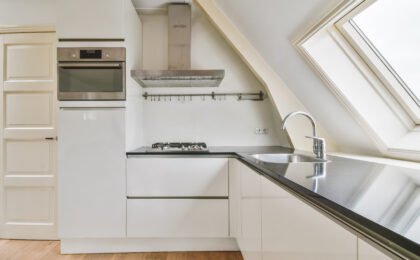
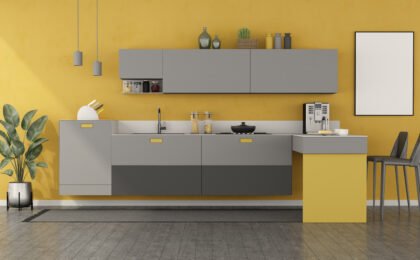
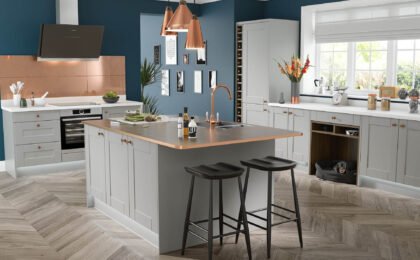
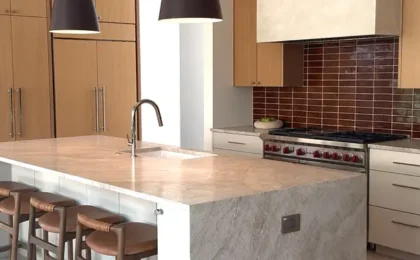
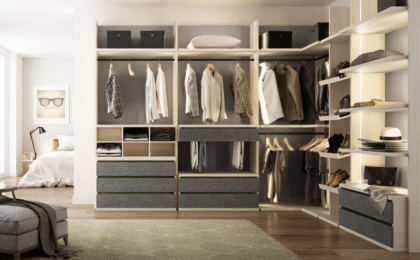
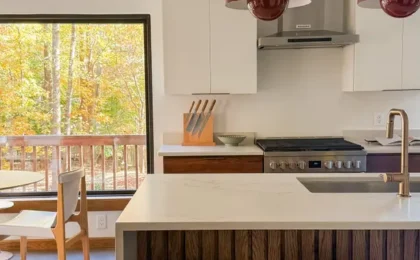
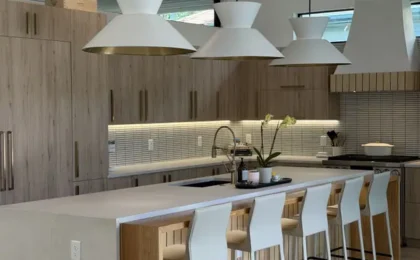
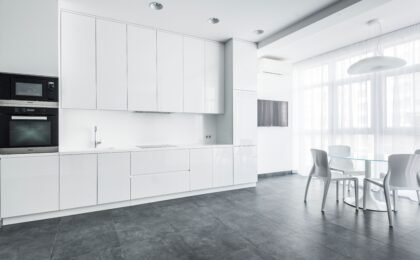
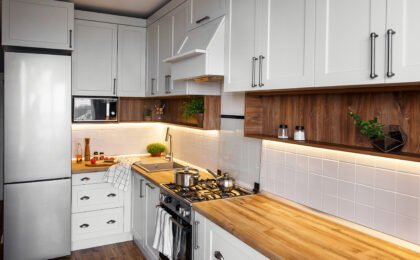
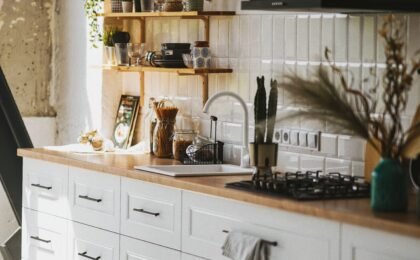
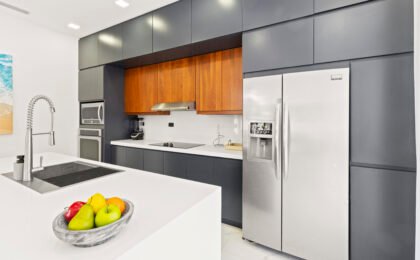
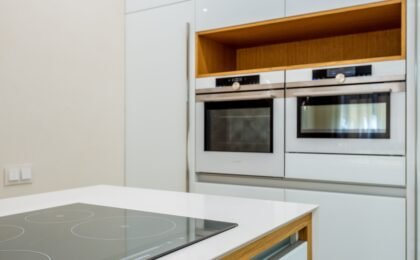
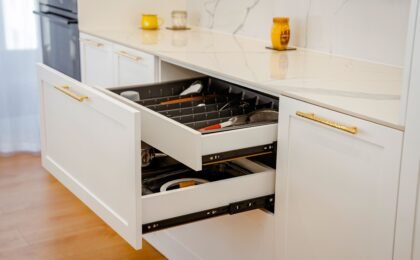
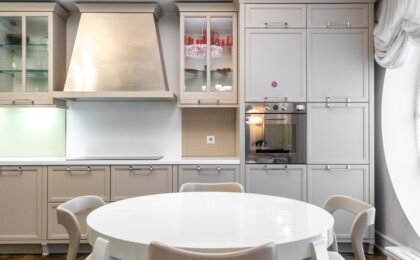
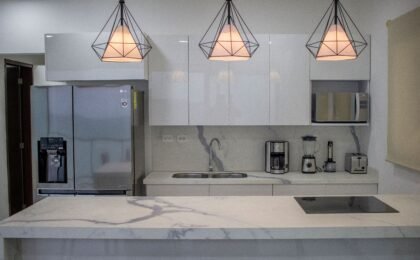
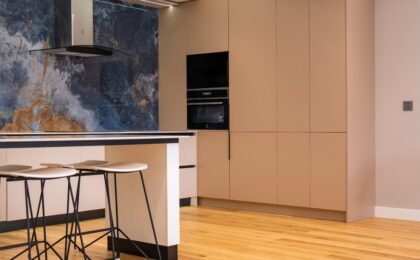
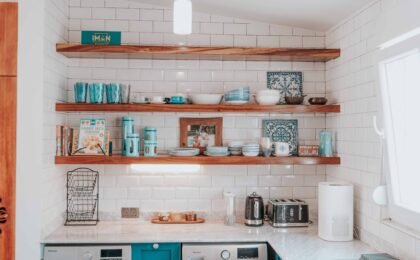
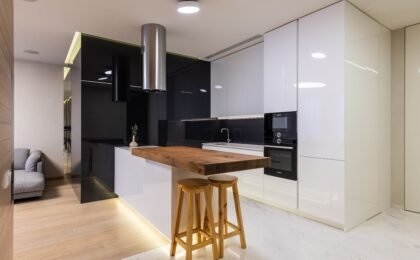
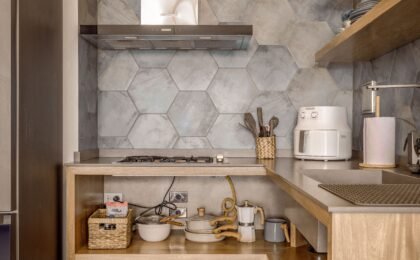
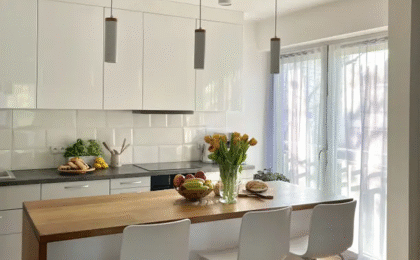
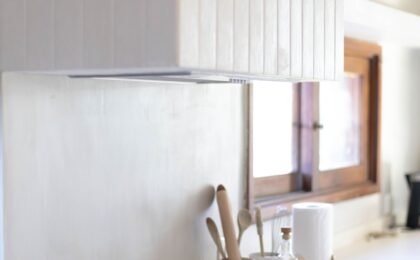
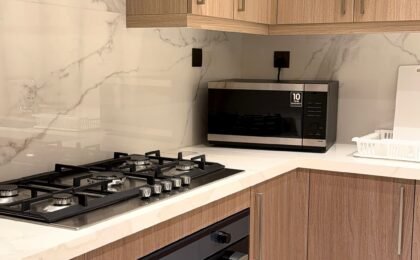
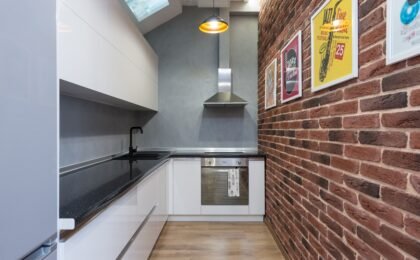
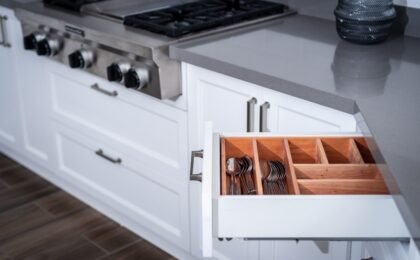
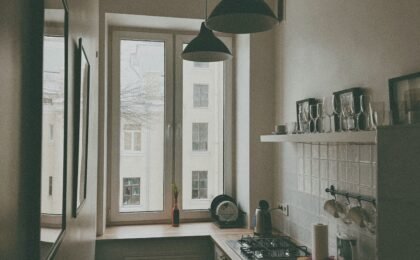
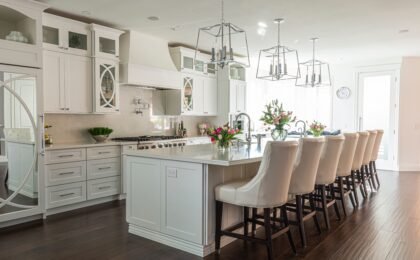
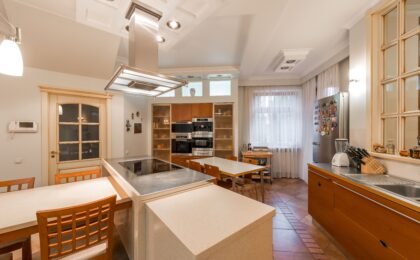
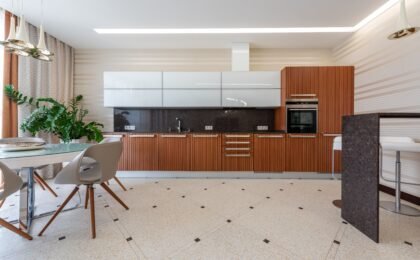
In any kitchen design, within the fascinating universe of interior architecture and high-end residential renovation, the balance between strict functionality and emotional aesthetics defines the success of a project. Gone are the days of completely paneled, airtight spaces where tableware was systematically hidden away. Today, contemporary kitchen design embraces intelligent hybridization: a seamless balance between high-capacity closed fronts and open-air display solutions that bring rhythm, visual lightness, and a marked personality.
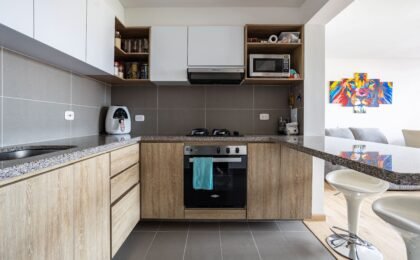
Among these solutions, wall-integrated niches and decorative open shelves have established themselves as the preferred aesthetic resources of the most prestigious interior designers. Not only do they break the monotony of traditional storage modules in any kitchen design, but they also humanize the space, showcase selected tableware pieces, and play with the architecture of the walls. We thoroughly analyze the 7 master keys to successfully incorporating niches and open shelving into your kitchen design.
1. The architectural concept of the niche integrated into the partition or backsplash
Unlike a conventional shelf that protrudes from the wall surface, a niche is a recess carved directly into the thickness of the wall or created using waterproof plasterboard partitions, becoming an integral structural element of the kitchen design.
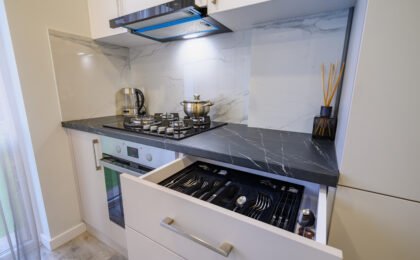
- Niches in the cooking or washing zone: Positioning a backlit niche right behind the cooktop or sink provides an extraordinary aesthetic relief, keeping spice jars, designer oils, or everyday utensils close at hand without invading the countertop surface.
- Depth and golden proportions: For a niche to function aesthetically in a kitchen design, its depth should generally range between 15 and 20 centimeters, maintaining a harmonious proportion between its height and width to prevent any sense of clutter.
2. Floating open shelves: Visual lightness versus closed modules
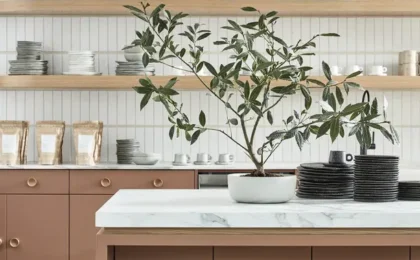
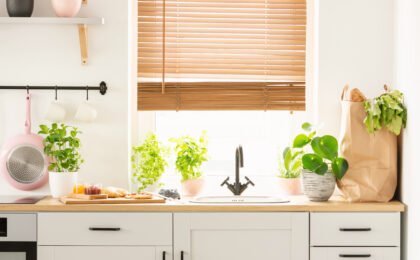
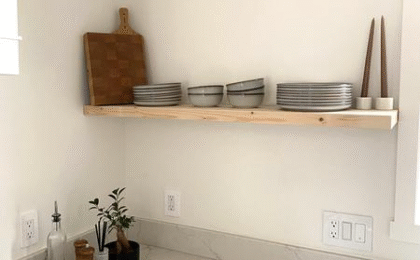
Partially or completely replacing upper wall cabinets with open shelves or ledges is one of the most transformative trends in modern kitchen design.
- High-strength concealed brackets: In high-end kitchen design, open shelves must support weight without losing an ounce of elegance. Concealed metal profile systems or steel pins embedded in the shelf’s core structure are used.
- Play of thicknesses and materials: Combining thin black lacquered metal ledges with solid wood shelves (such as knotted oak or walnut) or natural stone creates a sophisticated textural contrast that greatly enriches any kitchen design.
3. Integrated lighting strategy: Linear LED light in shelves and niches
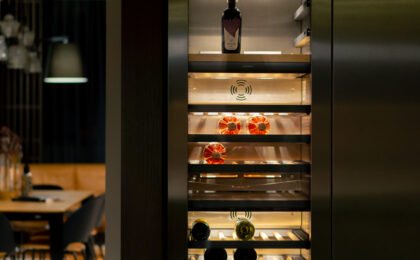
A niche or open shelf without planned artificial lighting loses much of its aesthetic impact. Light is the ultimate tool to enhance these spaces in a kitchen design.
- Perimeter or back-plane LED strips: Installing warm color temperature LED strips (around 3000K) milled into the underside of the shelves or the inner perimeter of the niche bathes the wall in light, generating an enveloping and very cozy atmosphere.
- Presence sensors or dimming control: Adding home automation dimming systems allows you to transform functional working illumination into a subtle, sophisticated ambient light when night falls in the kitchen design.
4. The art of visual curation: Styling criteria
The great challenge of incorporating open elements in a kitchen design is preventing the space from transmitting a sense of disorder or visual clutter.
- The rule of thirds and voids: Do not saturate every single shelf with objects. Leave open air spaces that allow the background wall material to be appreciated. Group items by height, textures, or matching color palettes.
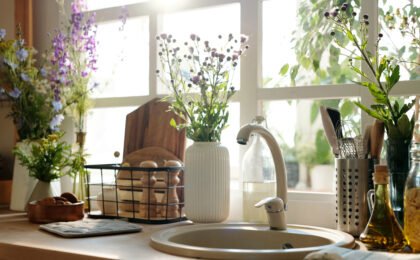
- Selection of pieces with soul: Display handcrafted ceramic tableware, blown glassware, glass jars with visible legumes, haute cuisine books, or designer cookware pieces that add aesthetic value to the overall look of your kitchen design.
5. Interior cladding treatments and material contrast
The back of a niche or an open shelf offers a golden opportunity to introduce a differentiating design accent within the kitchen design.
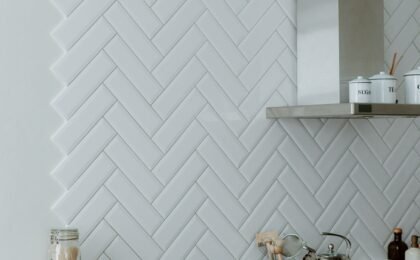
- Countertop continuity or bold contrast: Cladding the back of the niche with the same porcelain or natural stone material as the countertop provides impeccable monolithic elegance. Alternatively, introducing microcement, artisanal zellige tiles, or fluted wood panels generates a very powerful focal point of visual attention.
- Protective water-repellent treatments: As these are areas exposed to steam, grease, or occasional splashes, applying invisible sealers or washable enamelled paints is essential to guarantee comfortable and long-lasting cleaning.
6. Ergonomics and accessibility: Recommended installation heights
The success of an open shelf or a niche in a kitchen design depends not only on its beauty, but on its functionality in everyday use.
- Comfortable reach height: Frequently used items should always be placed between 110 and 160 centimeters from the floor, avoiding strained postures or the need to constantly use step stools.
- Safety against bumps: On open shelves located in transition areas or sides of tall columns, it is advisable to slightly round the front corners or design chamfered edges to prevent domestic accidents in the kitchen design.
7. Maintenance and control of dust and grease accumulation
One of the most common hesitations when considering open shelves in a kitchen design is the maintenance derived from ambient dust and cooking grease.
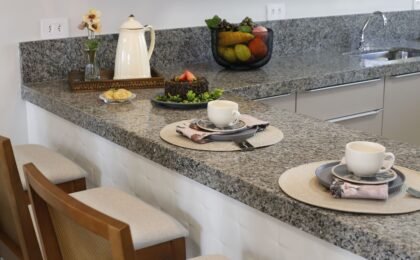
- Strategic location away from direct cooking zones: It is preferable to place decorative shelves in support areas, breakfast bars, or auxiliary walls, keeping them as far away as possible from main range hoods.
- Periodic rotation of tableware: Designing open shelves for frequently used pieces ensures that tableware is constantly washed, preventing dust or grease from settling statically on the surfaces.
At Muebles El Valle, we understand that every home tells a unique story. That is why we conceptualize every custom kitchen design, fusing artisanal mastery with the most avant-garde trends in interior architecture. Our purpose is to bring spaces to life with their own character, where ergonomics, an exquisite selection of textures, and millimeter-precise lighting become the true protagonists of your daily routine.
0