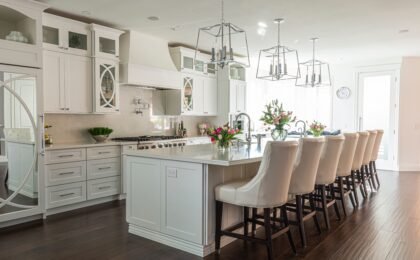
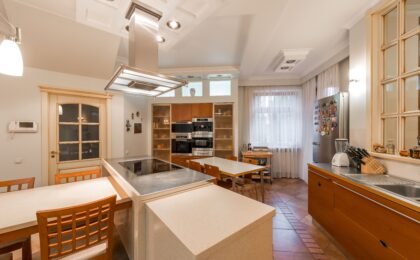
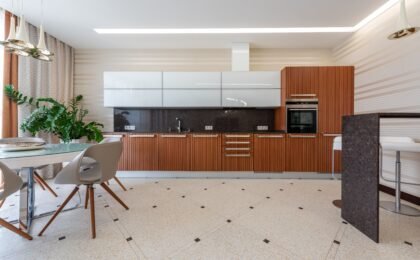
Designing a kitchen is one of the most important decisions when creating or renovating a home. It should not only look attractive but also be practical, comfortable and suited to everyday life. However, many homeowners make common kitchen design mistakes that can affect the final result and make daily use less enjoyable. In this guide, we look at the most frequent errors and explain how to avoid them, helping you create a practical, well-planned kitchen design that will stand the test of time.
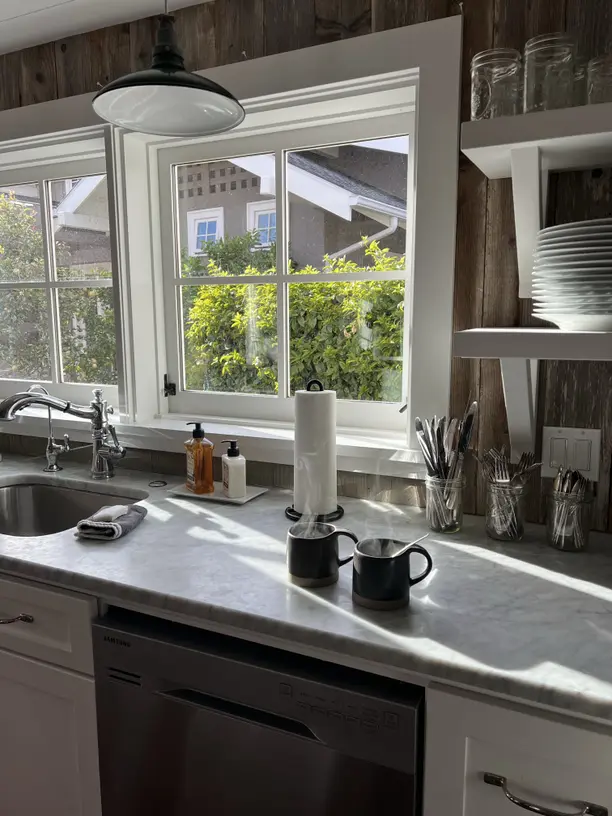
What you should know before starting a kitchen design
Before starting a kitchen design, it is essential to analyse the available space, define your real needs and consider the daily use it will get. Many decisions that seem minor, such as the placement of appliances or the type of storage, can make a huge difference in the comfort and functionality of the final result.
Designing a kitchen with proper planning prevents costly mistakes and ensures that every element serves a clear purpose within the overall layout. Below, we review the most common mistakes you should avoid right from the start.”
Common kitchen design mistakes and how to avoid them
1. Poor layout planning in kitchen design
The layout is one of the foundations of successful kitchen design. One of the most common mistakes is choosing a layout without considering the available space or how the kitchen will actually be used.
How to avoid it:
- Define your preparation, cooking, washing and storage areas first.
- Follow the kitchen work triangle between the sink, hob and fridge.
- Choose the layout that best suits the available space.
2. Choosing materials based only on appearance
Many kitchens are designed with style in mind while overlooking durability. This can result in premature wear and higher maintenance requirements.
How to avoid it:
- Choose durable materials such as porcelain, quartz or treated wood.
- Check their resistance to heat, moisture and scratches.
- Aim for a balance between aesthetics and functionality
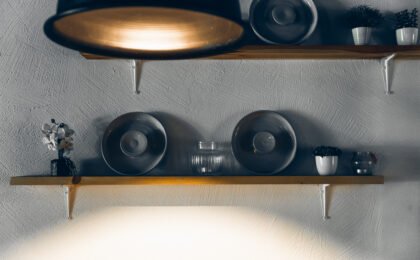
3. Inadequate lightning
A poorly lit kitchen is uncomfortable to use and can reduce the visual impact of even the best kitchen design. One of the most common mistakes is failing to provide enough lighting over the worktop and preparation areas.
How to avoid it:
- Combine general lighting with task lighting.
- Install LED strips beneath wall cabinets.
- Choose neutral white lighting for greater precision when preparing food.
4. Underestimating storage requirements
Many people fail to appreciate how important storage is, resulting in kitchens that quickly become cluttered and impractical.
How to avoid it:
- Extend wall cabinets up to the ceiling whenever possible.
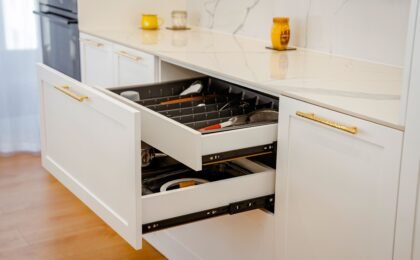
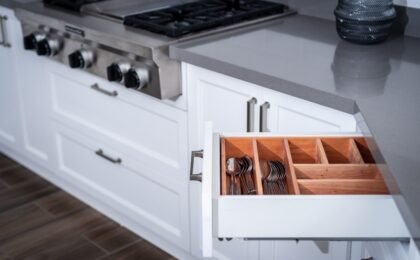
- Include deep pull-out drawers.
- Make use of corner storage solutions, internal organisers and pull-out pantry units.
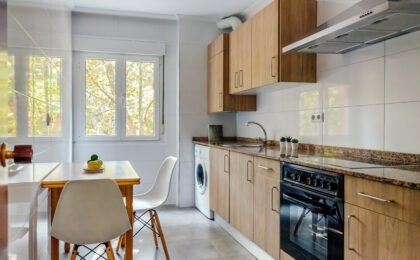
5. Positioning appliances without considering everyday use
Many problems arise when appliances are installed in awkward locations or without considering how they will be used.
How to avoid it:
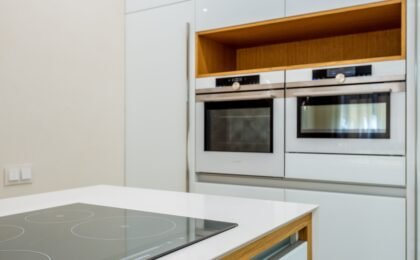
- Integrate appliances to create a seamless design.
- Check that doors and drawers can open fully.
- Avoid placing the oven or dishwasher in corners.
- Ensure there are sufficient power sockets and adequate ventilation where needed.
6. Choosing colours or finishes that overwhelm the space
This is especially important in smaller kitchens, where poor colour choices can make the room feel even more confined.
How to avoid it:
- Choose light colour palettes for compact spaces.
- Introduce subtle contrast with wood or warm tones.
- Opt for matte finishes if you’re looking for a modern, harmonious appearance.
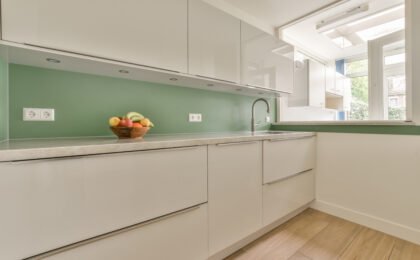
7. Not allowing enough worktop space
A kitchen without sufficient work surface can become frustrating to use over time, even if it looks attractive.
How to avoid it:
- Leave at least one generous area for food preparation.
- Consider adding a peninsula if space allows.
- Make the most of continuous, uninterrupted worktops.
8. Forgetting about everyday living
Sometimes aesthetics take priority over functionality, resulting in kitchens that look impressive but are less practical for everyday use.
How to avoid it:
- Think about your cooking habits before starting the design.
- Consider who will use the kitchen and how they will use it.
- Prioritise furniture and storage solutions that make daily routines easier.
A well-designed kitchen improves everyday life
Avoiding these common mistakes is essential for creating a kitchen that is practical, comfortable and built to last. A well-planned kitchen design is reflected not only in its appearance but also in how easy and enjoyable it is to use every day.
If you want to ensure the best possible result or need expert advice for your kitchen project, Muebles El Valle is here to help throughout the entire process. Share your ideas with us, and we’ll help turn them into a beautiful, functional kitchen tailored to your home.
0